

-
![]()
Stage 1 Prototype Rendering
-
![]()
Stage 1 Prototype Rendering
-
![]()
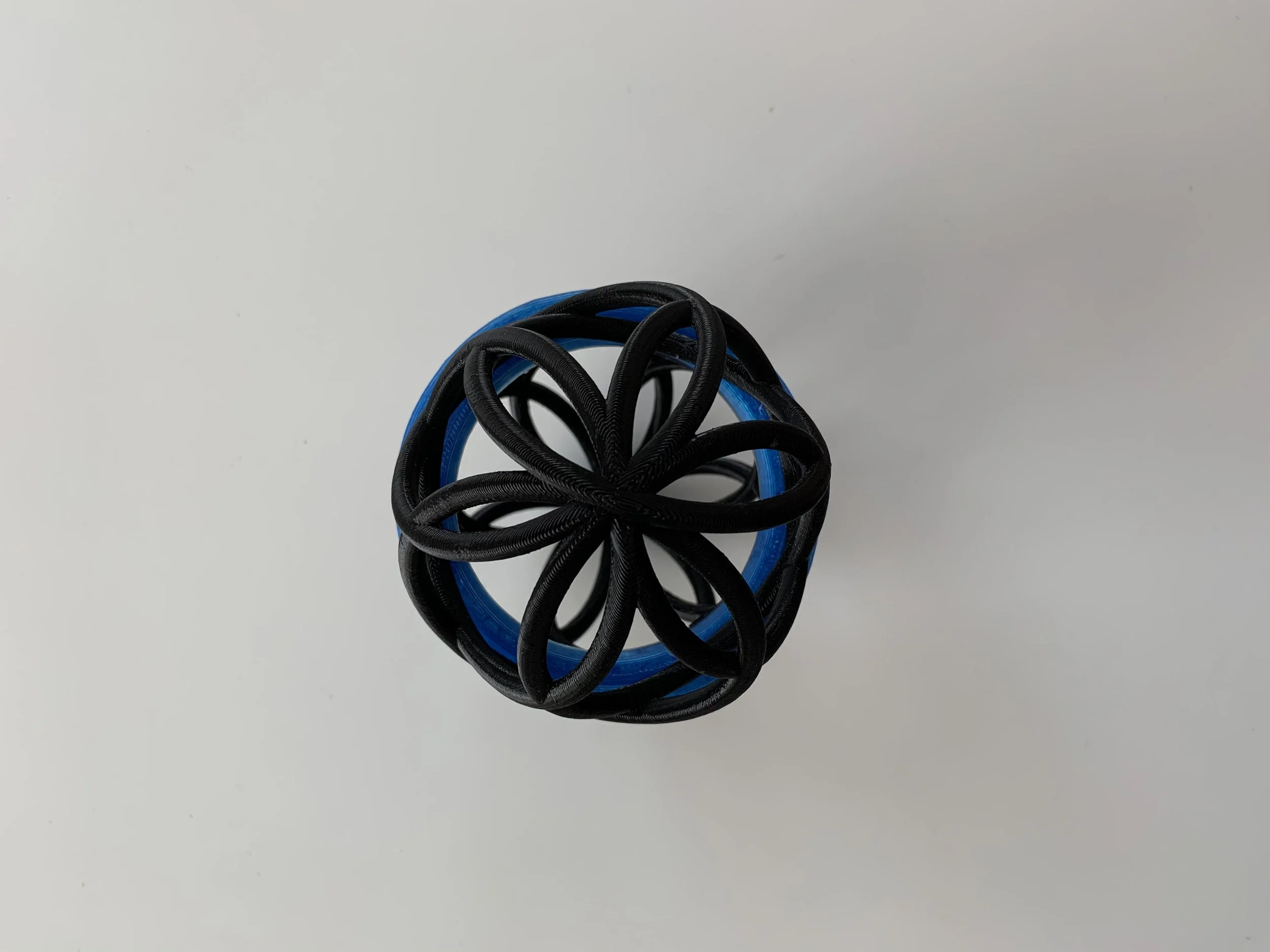
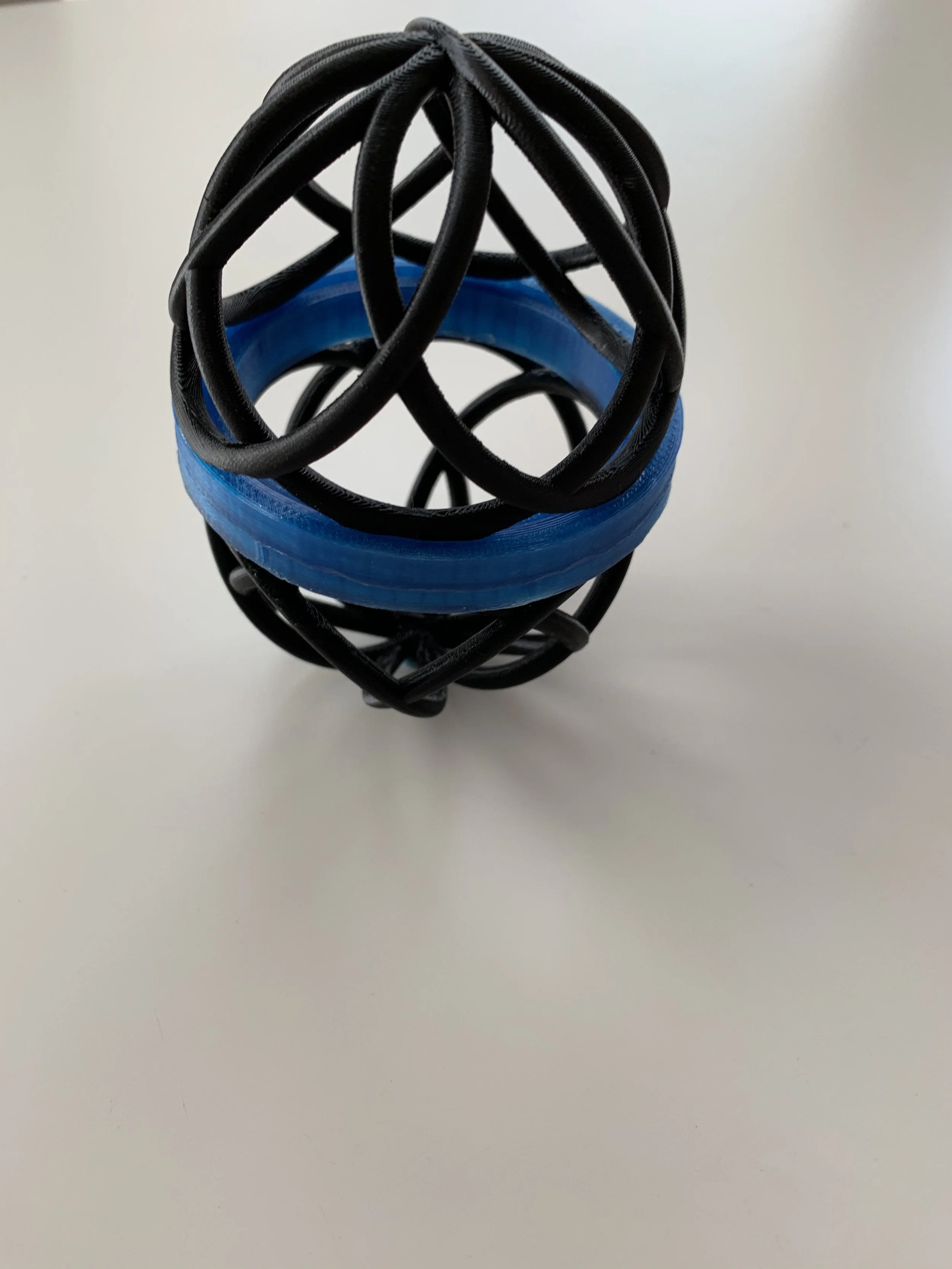
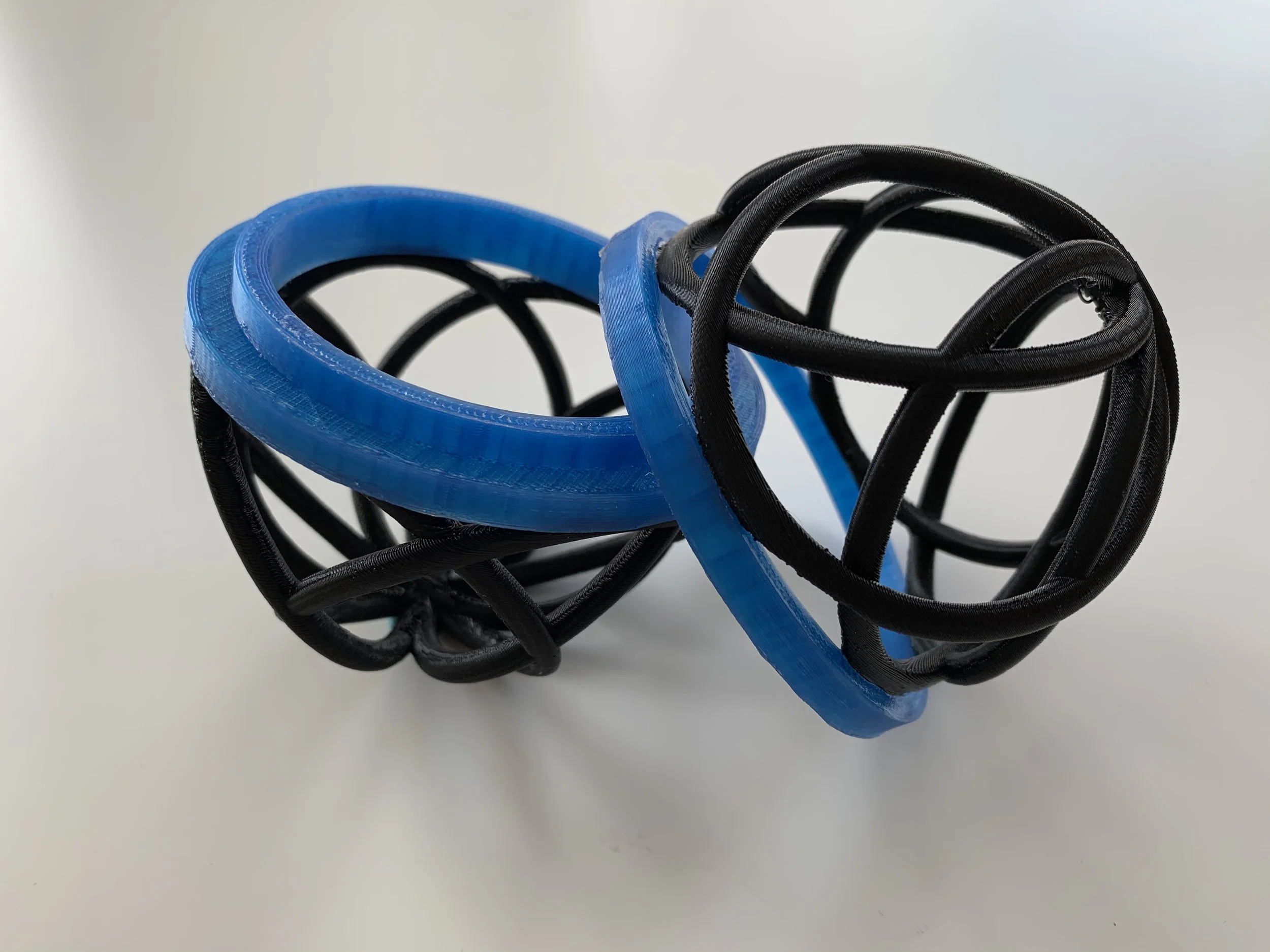
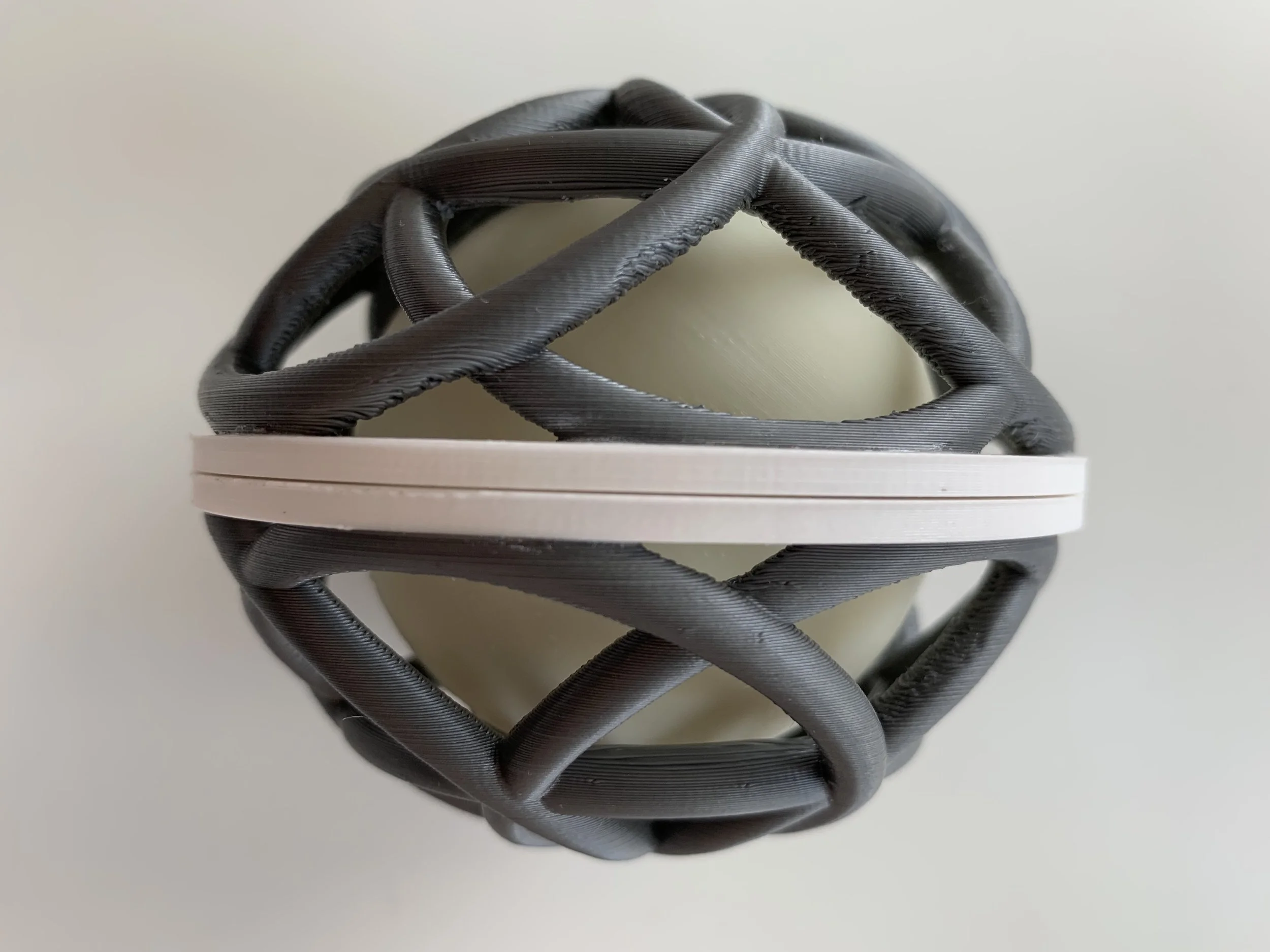
Stage 1 3D Printed Prototype
-
![]()
Stage 1 3D Printed Prototype
-
![]()
Stage 1 3D Printed Prototype
-
![]()
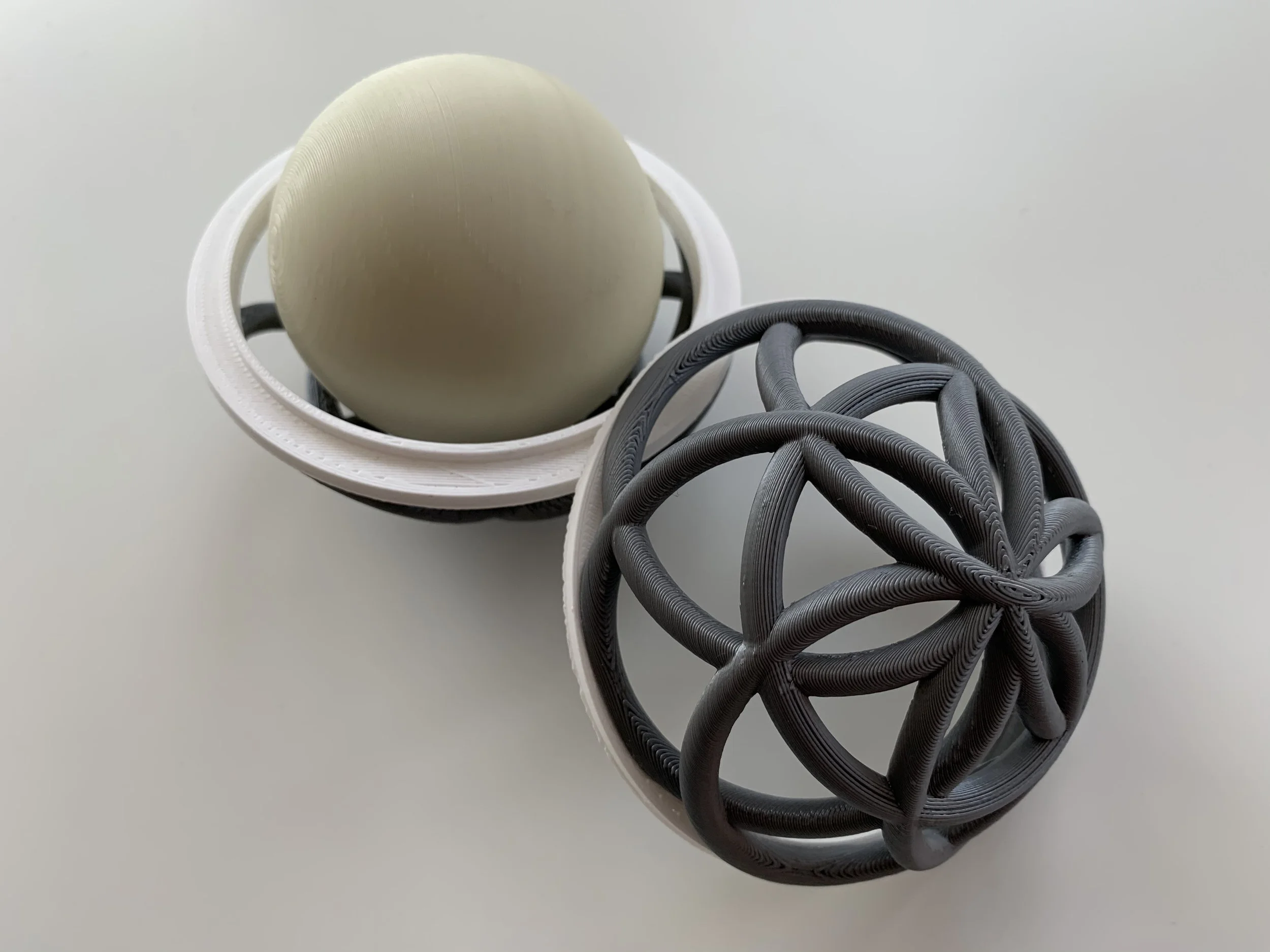
Final 3D Printed Prototype
-
![]()
Final 3D Printed Prototype
-
![]()
Final 3D Printed Prototype
-
![]()
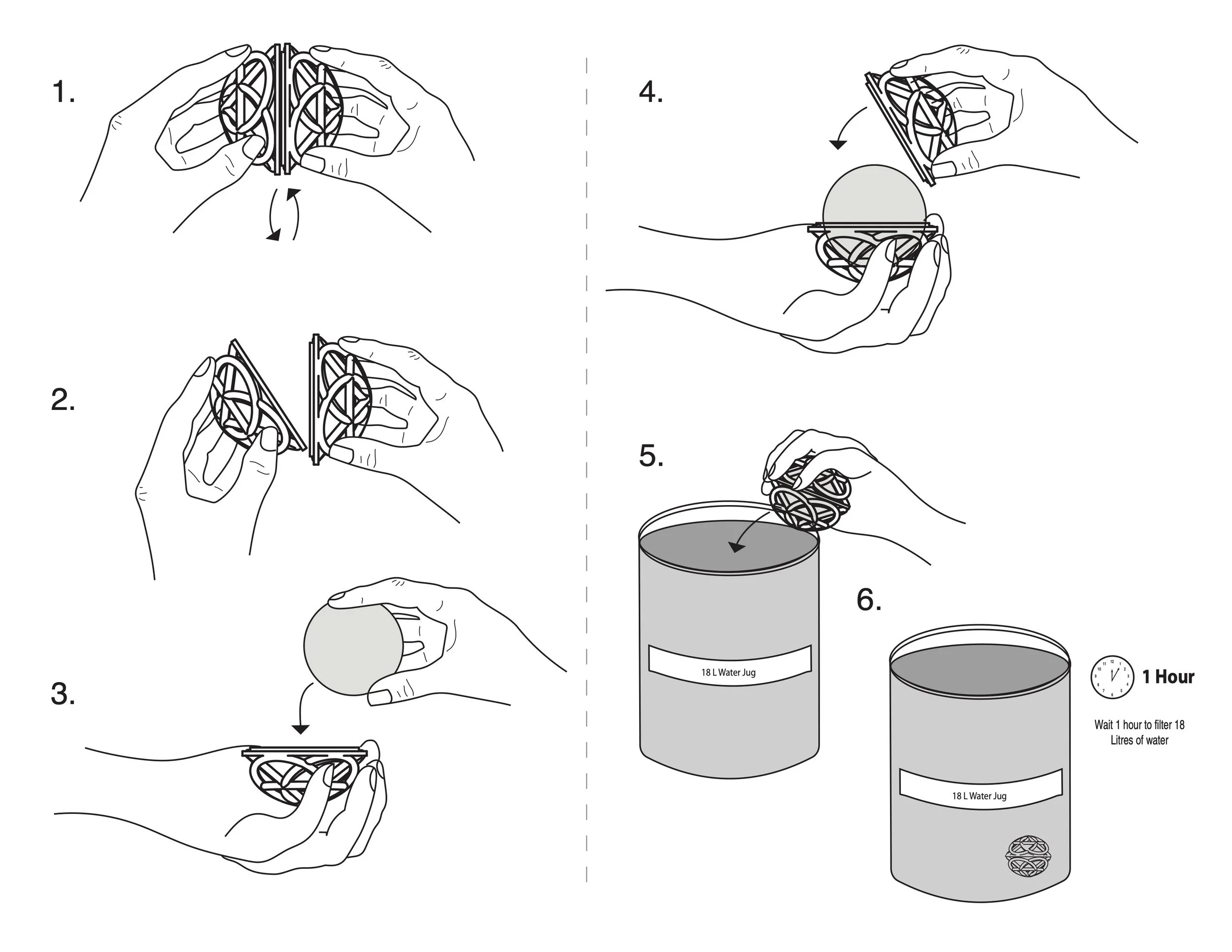
User Guide: Instructions
-
![]()
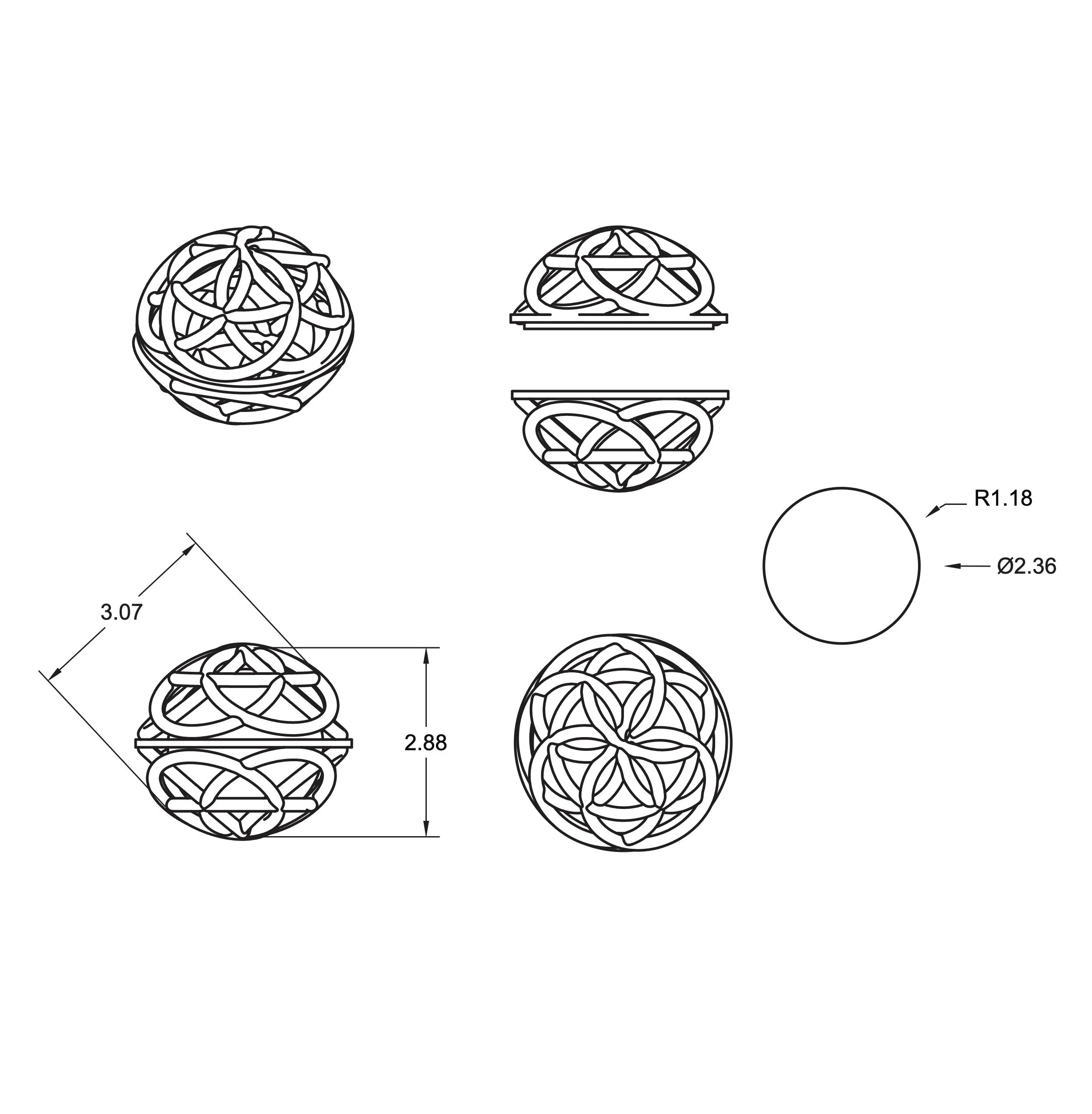
Orthographic Drawing

Hydro Hero: Water Purification and Oil Spill Cleanup
Biomimetic Design
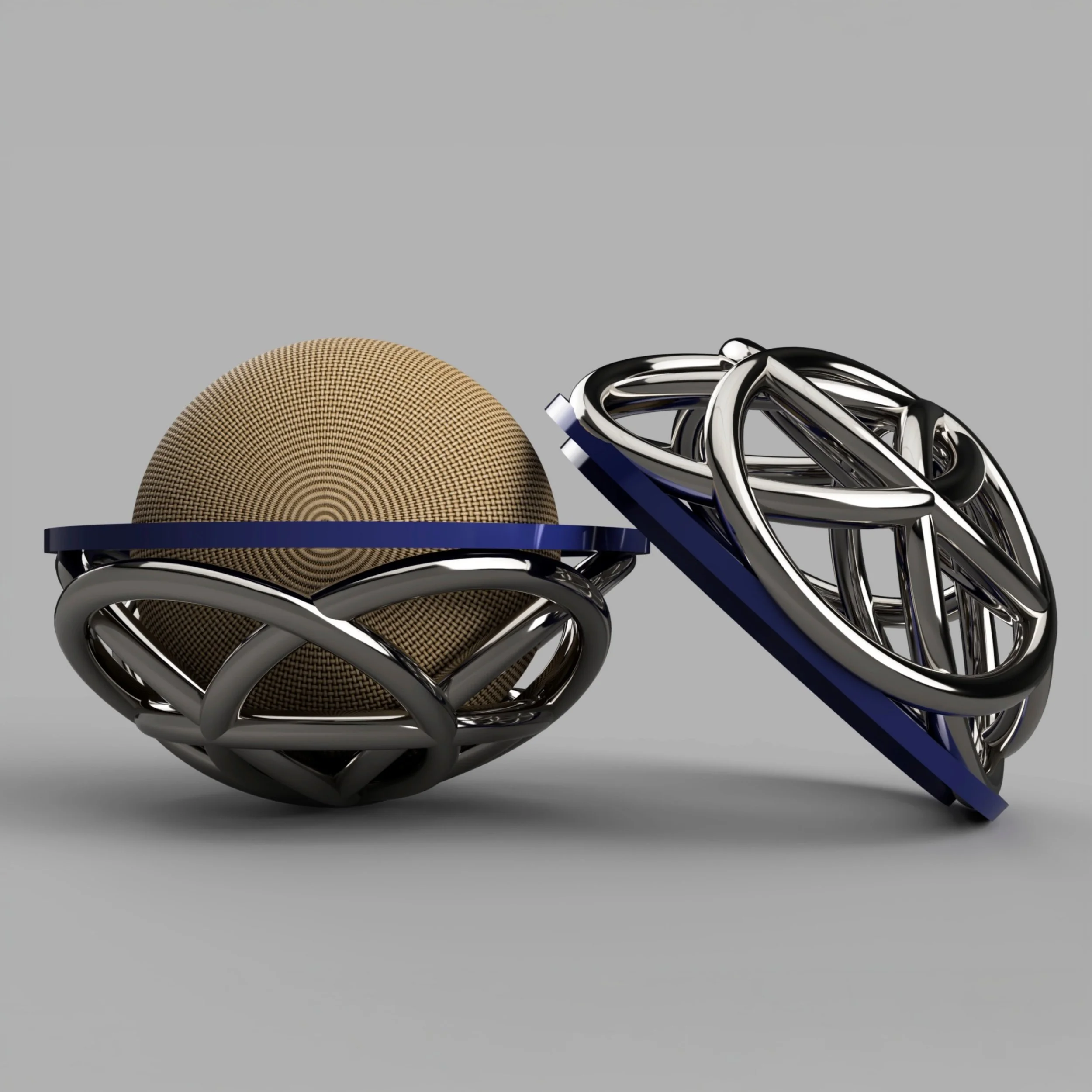
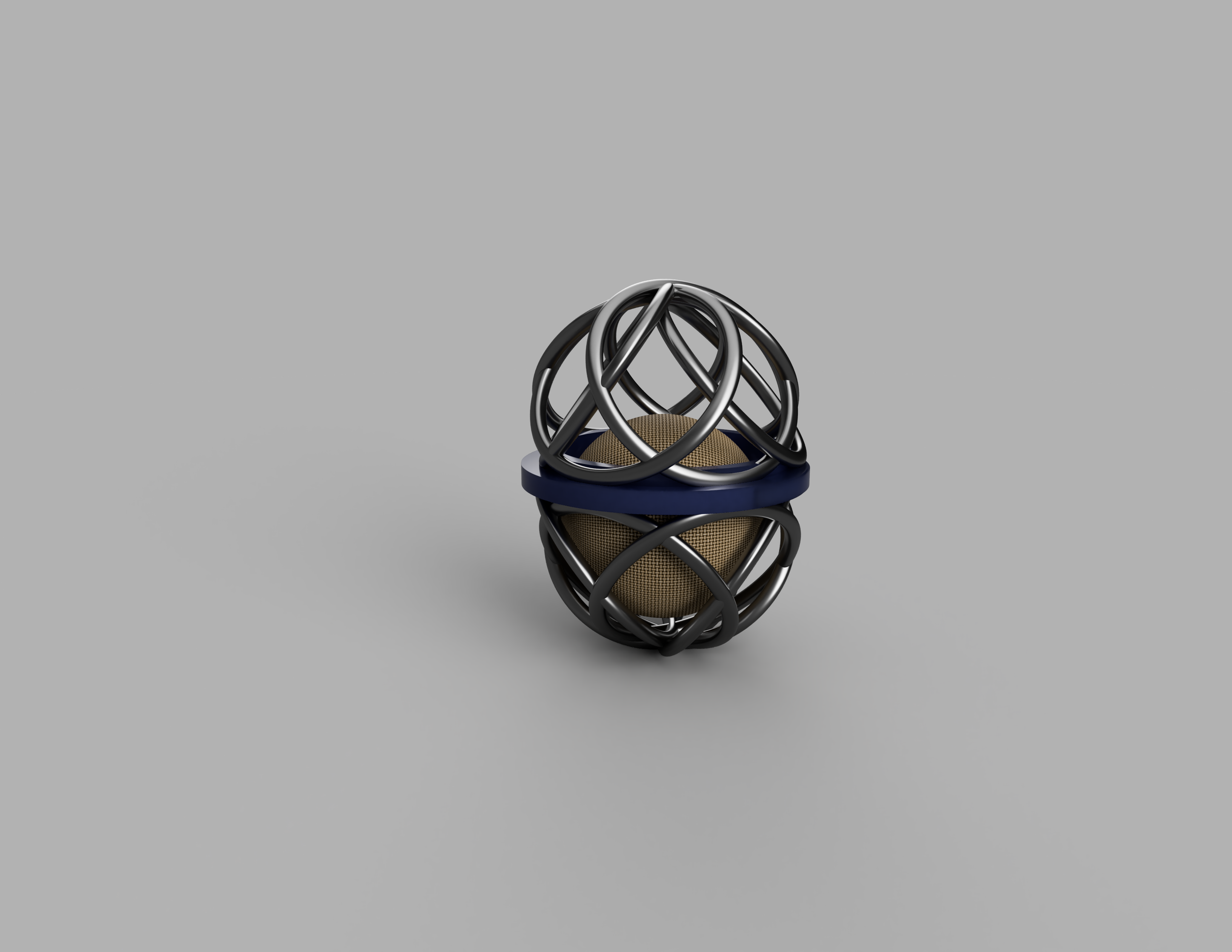
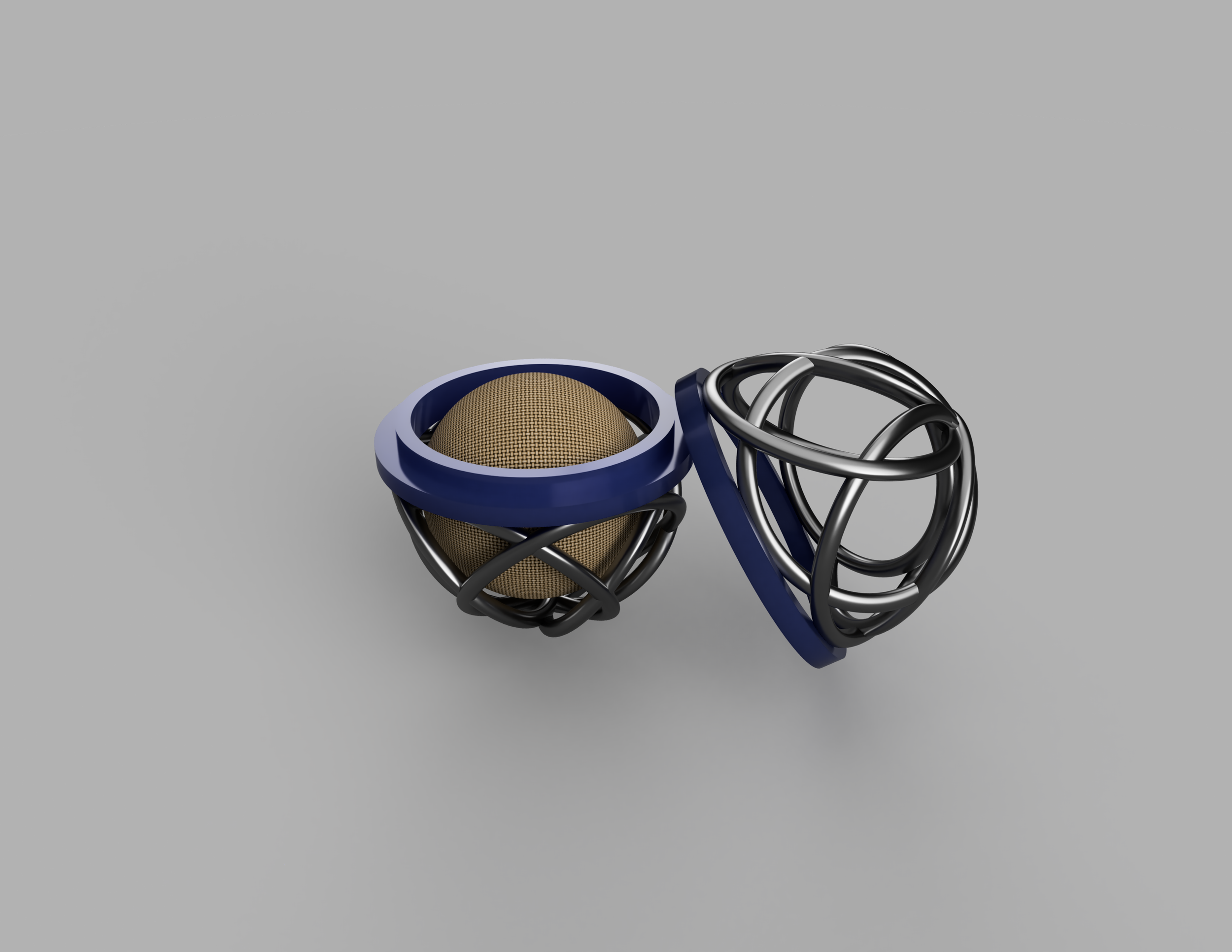
Hydro-Hero is a water filtration device that targets toxic hydrocarbons found in oil-contaminated water. In its third instar stage, the Asiatic Rhinoceros Beetle produces a gut bacterium called Bacillus Subtilis. This particular bacterium contains properties that actively break down and consume hydrocarbons. What remains is carbon dioxide - a chemical compound essential for an aquatic ecosystem to thrive. Research proved to find a small village in Nigeria, Bodo’s Village, has the highest number of recorded mangrove loss due to crude oil (hydrocarbons) contamination. Bodo’s Village therefore became the focus area.
Design Intervention
Using a systems approach to ideation, this design intervention no doubt required further research into the local customs and water practices of Bodo’s Village. Water procurement is carried out by the female residents using large buckets held on their heads. This process inspired a second design intervention of the Hydro Hero: creating small, individual products that each woman can drop in their buckets to purify the water during the time it takes to return home from the water source.
Research & Process
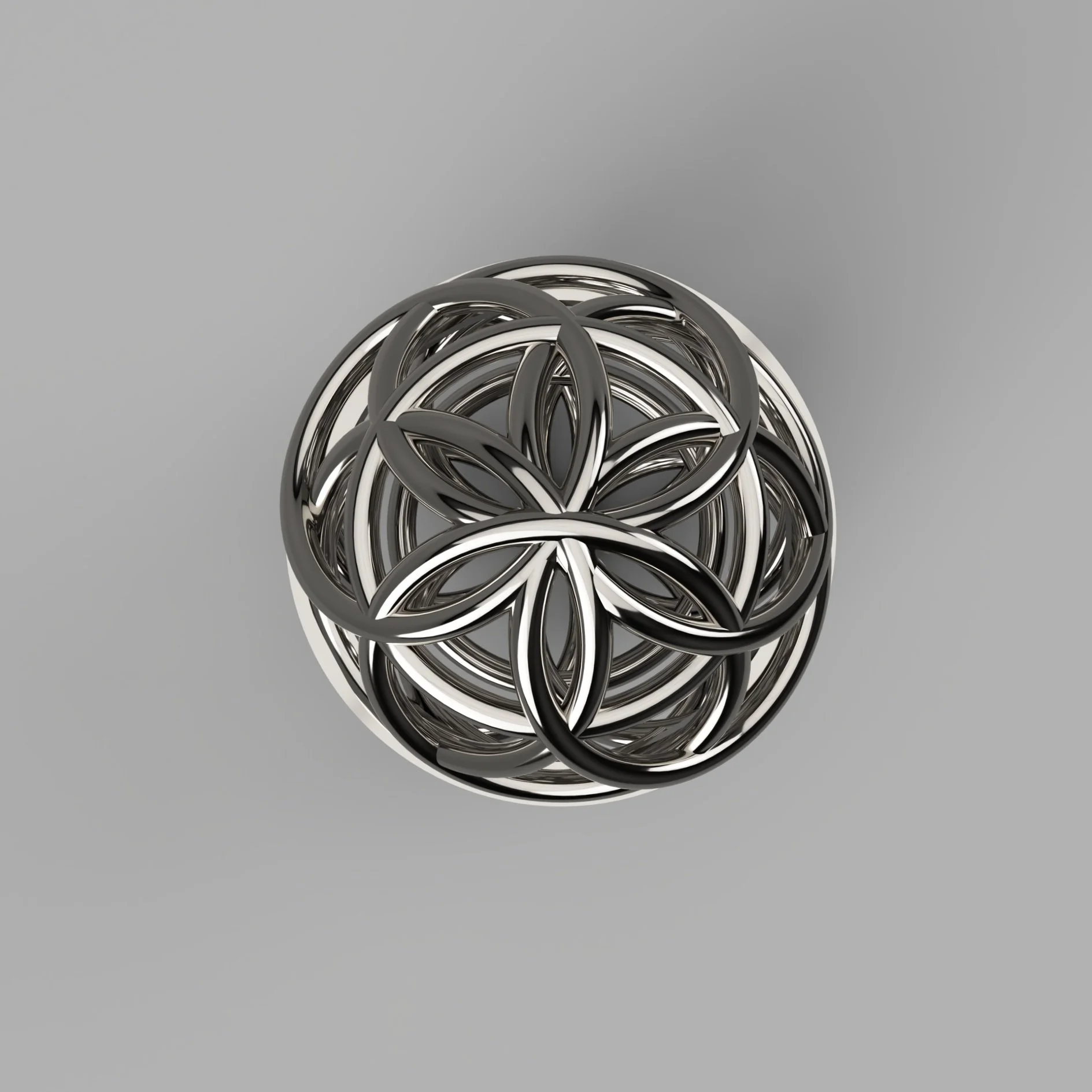
It took substantial research and creativity to fully understand an insect’s chemical by-product and its potential application, while simultaneously designing a form that will carry out the function of the by-product in an environmental and cultural context. I chose the beetle because the chemical by-product of its bacterium - holding properties that break up oil - had not yet been commercialized. The local customs and cultural significance played a major role in the finalized design, utilizing the Flower of Life after researching the local culture and customs.
Meaningful design
The final piece of this project was adding a design element to the product that holds cultural and philosophical significance. I integrated an external pattern inspired by the “flower of life”. This pattern would appear on the external cage of the Hydro Hero, as well as the exterior of the local shipping container where residents would go to pick up their replacement. The life cycle of a HydroHero is a few months. At that time, users can bury the product where it will continue to remove hydrocarbons from the soil until fully biodegrading after several weeks.